How Weather Impacts Vehicle Damage Over Time
September 23, 2026 5:54 pmLiving near the Bayshore means your vehicle faces more than everyday traffic and parking-lot wear. In Belford, changing seasons can expose cars and trucks to road salt, moisture, coastal air, summer heat, heavy rain, and winter freeze-thaw cycles, all of which can make existing vehicle damage worse over time.
Quick answer: Weather can turn small vehicle damage into a larger repair problem by allowing moisture, salt, heat, and debris to reach damaged paint, exposed metal, trim, and body seams. A minor chip or scratch may seem cosmetic at first, but months of coastal moisture or winter road treatment can encourage corrosion and paint deterioration. Inspecting damage early is especially useful for vehicles regularly driven around Monmouth County.
What local drivers should know
-
Small paint chips and scratches can leave metal surfaces more vulnerable to moisture and corrosion.
-
Winter driving around Belford and the Route 36 corridor can expose vehicles to road salt and brine used to improve roadway safety.
-
Coastal communities such as Port Monmouth, Leonardo, and Atlantic Highlands experience moisture and weather conditions that can be hard on damaged exterior surfaces.
-
Summer sun and heat can gradually affect already compromised paint, clear coat, plastic trim, and seals.
-
Repairing damaged areas sooner can help prevent weather exposure from creating additional deterioration.
Why Weather-Related Vehicle Damage Matters in Belford
Weather-related vehicle damage matters in Belford because local vehicles experience a combination of coastal moisture, winter road treatments, rain, temperature changes, and summer sun throughout the year. Damage that remains exposed through several seasons may deteriorate differently than the same scratch or dent repaired soon after it occurs.
Belford sits in the Bayshore portion of Monmouth County, where drivers routinely travel through communities including Port Monmouth, Leonardo, Middletown, Keansburg, and Atlantic Highlands. Proximity to the Raritan Bay and the broader New Jersey coast means moisture is part of the local environment.
Winter creates another concern. The New Jersey Department of Transportation uses rock salt, salt brine, and calcium chloride products as part of its winter road-maintenance program. These materials help make roads safer, but residue can collect on vehicles after winter driving.
For drivers evaluating exterior damage, Lentz Auto Body can help determine whether a damaged area is still primarily cosmetic or deserves attention before further exposure. From this point forward, we focus on what drivers can look for and how professional body repair may help address damage before another season arrives.
Local Data and Weather Observations
Public records show that coastal weather and winter roadway treatment are genuine considerations for vehicles in this part of New Jersey. NJDOT reports using salt and liquid anti-icing materials on state roads during winter weather, while National Weather Service records document coastal flooding events affecting eastern Monmouth County, including the Belford area.
Those records do not mean every local vehicle will suffer corrosion or storm damage. They do show why drivers in the Bayshore have reason to pay attention to moisture exposure, winter residue, and existing openings in a vehicle’s protective finish.
The key issue is cumulative exposure. A car can move through wet spring weather, hot summer parking lots, autumn storms, and salted winter roads in the same year. Any unrepaired chips, scratches, cracked paint, or damaged body seams remain exposed through each cycle.
How Local Weather Can Affect Existing Auto Body Damage
Local weather can make existing auto body damage worse by attacking areas where paint, clear coat, seals, or body panels have already been compromised. The effect may happen gradually, so the vehicle can appear mostly unchanged while corrosion or coating deterioration develops around a chip, scratch, dent, or damaged seam.
Moisture is one of the biggest concerns. Paint and clear coat help protect the material underneath. Once that protective surface is broken, repeated rain and humidity can reach areas that were previously sealed.
Winter adds salt and brine to the equation. NJDOT specifically identifies rock salt and salt brine as materials used for winter maintenance. Residue can collect around wheel openings, rocker panels, lower body panels, and existing damaged areas.
Heat and sunlight contribute differently. Extended sun exposure can make fading and clear-coat problems more noticeable, particularly on surfaces that are already damaged.
Warning Signs That Weather Is Making Vehicle Damage Worse
Signs that weather is worsening vehicle damage include spreading paint failure, discoloration, visible rust, bubbling surfaces, and changes around an existing dent or scratch. Belford drivers should pay particular attention after a wet season, winter road treatment, coastal storm, or several months of leaving exposed damage unrepaired.
Watch for:
-
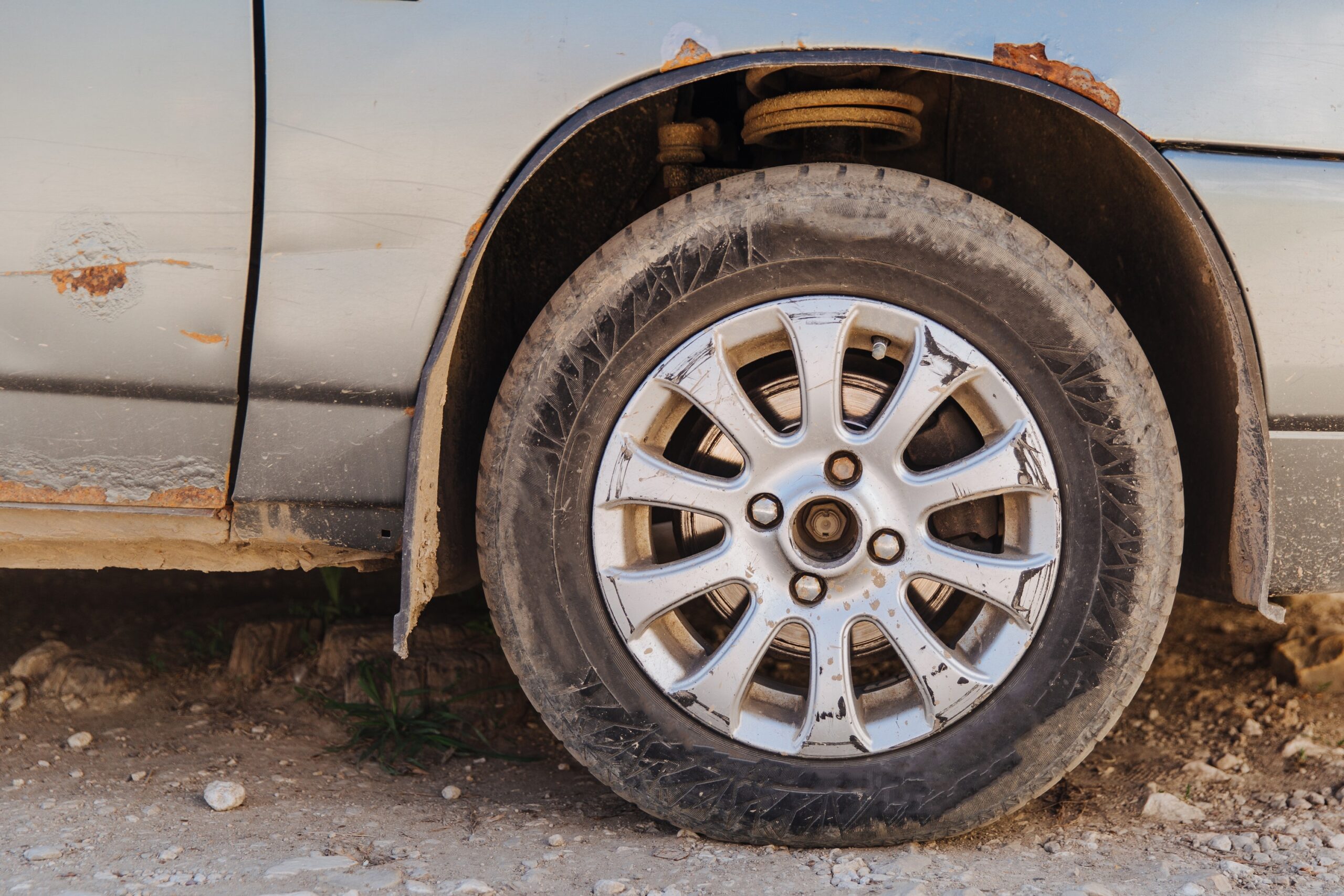
Rust-colored staining beginning around a paint chip or scratch.
-
Paint that starts lifting, peeling, or bubbling near damaged metal.
-
A small damaged area that appears larger after winter.
-
White or chalky deterioration in clear coat or paint.
-
Moisture collecting around damaged trim, seams, or exterior components.
-
Corrosion beginning near wheel openings or lower panels.
-
Cracks in paint surrounding a dent that previously looked intact.
-
Changes in panel alignment after an impact or severe weather event.
Changes in appearance deserve more attention than damage that remains stable.
When to Have Vehicle Damage Professionally Inspected
A professional inspection makes sense when damage exposes metal, breaks the paint surface, affects panel alignment, develops rust, or continues changing over time. Drivers can safely monitor very small cosmetic marks, but damage involving structural components, lights, doors, bumpers, safety systems, or uncertain impact damage should not be judged on appearance alone.
A scratch that reaches bare metal deserves more attention than a light mark sitting only on the surface.
The same applies after storm debris strikes a vehicle or when a bumper has been hit. Modern exterior panels can return close to their original shape even when mounting points or components behind them have been affected.
Our role during an evaluation is to determine what kind of damage is present and what repair approach is appropriate rather than relying only on how the exterior looks.
Common Weather-Related Causes of Vehicle Deterioration
The most common local weather-related causes of gradual exterior deterioration are winter road chemicals, moisture, coastal exposure, sunlight, temperature changes, and storm debris. Each affects vehicles differently, and existing paint or body damage often gives the elements an easier path to vulnerable surfaces.
1. Winter salt and brine: Road treatment is a normal part of New Jersey winter maintenance. Residue can remain on lower portions of a vehicle after storms.
2. Rain and persistent moisture: Water can reach exposed metal when scratches or chipped paint penetrate the protective finish.
3. Coastal conditions: Bayshore communities experience regular exposure to moist marine air, making intact protective coatings especially valuable.
4. Summer heat and ultraviolet exposure: Sunlight can contribute to fading and deterioration of already weakened finishes.
5. Freeze-thaw cycles: Water entering damaged areas can repeatedly freeze and thaw as temperatures change.
6. Storm debris: Branches, gravel, and windblown material can create dents, scratches, chipped paint, or broken exterior components.
Preventing Weather From Making Damage Worse
The best way to limit weather-related deterioration is to keep the vehicle clean, identify paint damage early, and avoid leaving exposed metal untreated through multiple seasons. A few practical habits can be especially useful for vehicles driven year-round in Monmouth County.
Rinse winter residue from the vehicle, including lower panels and wheel areas, after treated roads have dried and conditions allow safe washing.
Check the body periodically for new chips and scratches. The front edge of the hood, doors, wheel openings, bumpers, and rocker-panel areas are useful places to inspect.
Look again after significant coastal storms or severe weather. Vehicles parked outside may sustain small impacts that are easy to overlook.
Keep drainage areas around exterior trim clear when appropriate, and do not attempt complex repairs involving panel removal, structural areas, sensors, or safety components as a DIY project.
Most importantly, do not assume a dent is harmless simply because the paint initially appears intact.
What to Expect From Timely Auto Body Repair
Timely auto body repair is intended to restore damaged exterior areas and reduce continued exposure of compromised surfaces to local weather. The exact repair depends on the location, depth, material, paint condition, and whether components underneath the visible surface were affected.
Some damage may involve surface refinishing. Other repairs can require dent correction, panel work, replacement components, or additional inspection.
No single repair method fits every scratch, dent, or collision. An assessment provides a clearer answer than trying to choose a repair based solely on photographs or the size of the visible mark.
Common Mistakes Belford Drivers Make With Minor Damage
The most common mistake is assuming small vehicle damage can be ignored indefinitely because the car still drives normally. Cosmetic appearance and long-term surface protection are separate issues, particularly when damaged paint will remain exposed through wet coastal weather and another New Jersey winter.
Mistake: Waiting until rust becomes obvious.
Consequence: The affected area may become more involved.
Better approach: Have exposed metal or spreading paint damage evaluated earlier.
Mistake: Treating every scratch as superficial.
Consequence: A deeper scratch may have penetrated protective coatings.
Better approach: Check whether metal or underlying material is exposed.
Mistake: Leaving winter residue on damaged panels for long periods.
Consequence: Salt-containing residue remains in contact with vulnerable areas.
Better approach: Keep the vehicle reasonably clean throughout winter.
Mistake: Assuming a dent without broken paint needs no attention.
Consequence: Hidden cracking, misalignment, or underlying damage can be missed.
Better approach: Seek an inspection when the impact was significant or the condition changes.
A Common Local Vehicle-Damage Scenario
A common local scenario begins with a small parking-lot dent or stone chip that receives little attention until it has survived several months of Bayshore weather. The original damage may happen during summer, remain through autumn rain, then encounter winter moisture and road residue.
By spring, the driver may notice discoloration around the damaged paint or realize the affected area has begun to spread.
This is not a specific customer case. It is simply an example of why time and weather matter. Vehicle damage does not have to be dramatic to deserve periodic inspection.
Related Auto Body Repair Solutions
The right service depends on whether weather exposure has affected only the finish or has contributed to deeper body damage. Professional evaluation can separate minor surface concerns from damage requiring refinishing, panel repair, dent correction, component replacement, or another appropriate repair method.
We can examine the affected area and discuss available repair options based on the vehicle’s actual condition.
Comparing Early Repair With Waiting
Addressing damage early generally gives drivers the opportunity to evaluate the original problem before additional weather exposure complicates it. Waiting can be reasonable for truly superficial marks, but exposed metal, damaged paint, spreading corrosion, or compromised exterior components deserve greater attention.
| Option | Best Fit | Main Consideration |
|---|---|---|
| Monitor the area | Very minor surface marks | Inspect regularly for changes |
| Seek an evaluation | Uncertain damage or broken paint | Clarifies the extent of damage |
| Repair promptly | Exposed metal, rust, worsening damage | Helps address the problem before more exposure |
| Wait until later | Stable cosmetic damage | Additional seasons may change the condition |
Service Areas Around Belford
Drivers in Belford and surrounding Bayshore communities face many of the same seasonal vehicle concerns because they share the coastal Monmouth County environment and regional road network. Nearby areas include Port Monmouth, Leonardo, Middletown, Keansburg, Atlantic Highlands, and other communities along the Route 36 corridor.
Local conditions vary by where a vehicle is parked, stored, and driven, so individual inspection remains important.
The Cost of Ignoring Weather-Exposed Vehicle Damage
Ignoring damaged paint or exposed metal can allow a relatively contained problem to become more involved as the vehicle moves through repeated wet, hot, cold, and salty conditions. The concern is not that every scratch will become serious, but that weather has more opportunity to affect a surface once its protective finish is compromised.
A vehicle that will remain outdoors through another Monmouth County winter deserves particular attention if the damaged area already shows rust, bubbling, or peeling.
Evaluating the problem sooner provides information. It allows the driver to understand whether the area can reasonably be monitored or whether repair should be considered.
Frequently Asked Questions About Weather and Auto Body Damage
Weather-related auto body questions usually come down to exposure, paint condition, moisture, and how long damage has been left untreated. These answers address common concerns for motorists in Belford and neighboring Bayshore communities.
Can winter road salt damage a car in Belford?
Yes, winter road residue can contribute to corrosion when it remains in contact with vulnerable metal surfaces. NJDOT uses salt and brine as part of winter road maintenance. Keeping the vehicle clean and paying attention to chipped paint or exposed metal can help reduce prolonged exposure.
Does living near the water make vehicle damage worse?
Coastal moisture can be one factor in long-term exterior deterioration, especially when protective paint or coatings have already been damaged. Vehicles around the Raritan Bay and Bayshore should be checked periodically for chipped paint, corrosion, and changes around previously damaged areas.
Should I repair a small paint chip before winter in Monmouth County?
A paint chip that exposes metal is worth evaluating before winter because road moisture and salt-containing residue can reach the damaged surface. A very shallow mark may be less concerning, but it can be difficult to judge depth accurately without closely inspecting the area.
Can summer heat damage auto paint?
Sunlight and heat can gradually contribute to fading and clear-coat deterioration, particularly when the finish is already compromised. Parking conditions, vehicle age, previous repairs, and paint condition all matter. Damage that begins peeling, cracking, or changing color should be inspected rather than treated as normal fading.
What should I check after a coastal storm near Belford?
Check for new dents, chipped paint, scratches, broken trim, cracked lights, and damage from branches or debris. Also look at lower body panels if the vehicle traveled through significant standing water. If flooding reached mechanical or electrical components, the concern extends beyond cosmetic auto body damage.
How soon does a scratch begin to rust?
There is no reliable universal timetable because rust development depends on scratch depth, metal exposure, moisture, temperature, contaminants, and the vehicle’s materials. A scratch showing bare metal should therefore be addressed based on its condition rather than waiting for a certain number of days or months.
Can a dent become worse because of New Jersey weather?
Yes, particularly when the dent has cracked or separated the paint. Once the protective coating is broken, moisture and winter residue can reach the underlying surface. Even when the paint looks intact, a significant impact may deserve inspection for damage that is not obvious externally.
Is washing my car after a snowstorm worthwhile?
Yes. Once roads are reasonably dry and conditions are appropriate, removing accumulated winter residue from the vehicle can reduce how long salt-containing material remains on exterior and lower-body surfaces. Pay particular attention to wheel openings, rocker areas, and panels that already have chips or scratches.
Protect Your Vehicle From Another Season of Damage
Weather cannot be avoided in the Bayshore, but leaving damaged vehicle surfaces exposed is something drivers can address. If a scratch, dent, chipped finish, or damaged panel is getting worse, we can help evaluate the condition and explain the appropriate next step.
Protect Your Vehicle Before Minor Damage Becomes a Bigger Concern
Get a clear understanding of your vehicle’s damage and available repair options.
Categorised in: Auto Detailing
This post was written by admin
Comments are closed here.