How Long Does Collision Repair Take? Timelines Explained
August 13, 2026 9:38 pmAfter a collision in Belford, getting your vehicle back can affect everything from commuting along Route 36 to getting to work, school, shopping, and appointments around Monmouth County. One of the first questions drivers understandably have after arranging repairs is simple: how long will the process take?
Collision repair timelines can range from a relatively short repair for minor exterior damage to several weeks for vehicles requiring structural work, multiple replacement parts, refinishing, or additional repairs discovered during disassembly. The most accurate timeline usually comes after the vehicle has been inspected and the full extent of the damage is understood.
What Belford Drivers Should Know
-
Minor exterior repairs can generally be completed sooner than collision damage involving several panels, structural components, or mechanical systems.
-
Parts availability can significantly affect repair timing, especially when a specific component must be ordered before work can continue.
-
Hidden damage may only become visible after damaged exterior components are removed.
-
Drivers around Belford, Middletown Township, Port Monmouth, and Leonardo should plan for some flexibility because two collisions that look similar from the outside can require very different repairs.
-
Insurance estimates, supplemental damage documentation, parts ordering, body work, refinishing, reassembly, and final checks can all contribute to the overall timeline.
Why Does Collision Repair Timing Matter in Belford?
Collision repair timing matters in Belford because losing access to a vehicle can quickly disrupt everyday travel throughout the Bayshore and greater Monmouth County area. Residents may depend on their vehicles for Route 36 commutes, trips toward Red Bank or Atlantic Highlands, school transportation, errands, and other daily responsibilities.
A repair that takes longer than initially expected is not necessarily moving slowly. Collision repair is a sequence of connected steps, and later stages may depend on parts, damage assessments, or completion of earlier repairs.
At Lentz Auto Body, we understand that customers want both a realistic timeline and a properly repaired vehicle. Our role is to evaluate the damage, explain the repair process, and help customers understand what can influence how long their particular collision repair may take.
What Determines a Collision Repair Timeline?
A collision repair timeline is primarily determined by the severity of the damage, required repair procedures, parts availability, refinishing needs, and whether additional damage is uncovered during the repair. A small damaged area and a vehicle with extensive collision damage should not be expected to follow the same schedule.
The initial inspection provides important information, but collision damage can extend behind bumpers, body panels, trim, and other visible components. Once disassembly begins, technicians may get a clearer picture of what is required.
This is especially important for local drivers traveling busy corridors such as Route 36 or making regular trips between Belford, Leonardo, Port Monmouth, and other parts of Middletown Township.
What Are Typical Collision Repair Timeframes?
Typical collision repair timeframes can range from several days for relatively minor repairs to multiple weeks when a vehicle has extensive damage, complex parts needs, or structural repairs. These are general ranges rather than promises because the condition of the individual vehicle ultimately determines the repair process.
A useful way to think about collision repair is by complexity:
-
Minor damage: Smaller repairs involving limited exterior damage may take several days once the required work and parts are confirmed.
-
Moderate collision damage: Repairs involving multiple panels, parts replacement, body work, and refinishing may require roughly one to two weeks or longer.
-
Major collision damage: Extensive structural, body, mechanical, or multi-area damage can require several weeks.
These ranges are only general planning guidelines. A professional inspection is needed before estimating the timing of a particular vehicle.
What Can Delay Collision Repairs?
Collision repairs can be delayed by unavailable parts, hidden damage, additional repair requirements, insurance-related documentation, or the complexity of refinishing and reassembly. Some of these factors cannot be identified until the vehicle has entered the repair process.
Parts are one of the biggest variables. A repair cannot always move to the next stage if a required component has not arrived.
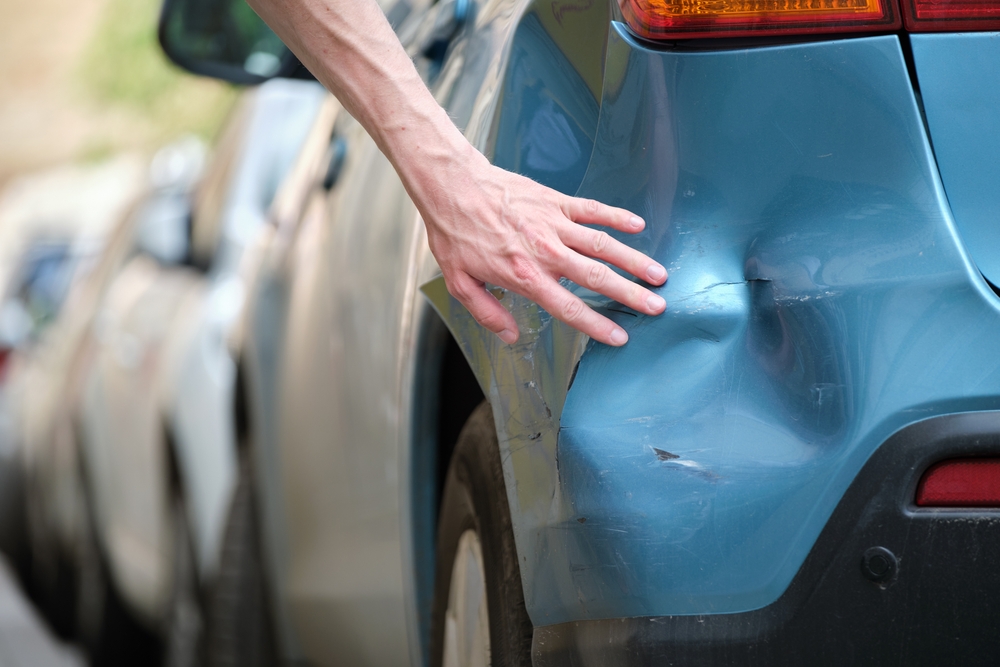
Hidden damage can also change the original repair plan. For example, exterior bumper damage may appear limited until the bumper is removed and components behind it can be inspected.
Additional damage may require an updated repair plan or supplemental documentation before work proceeds. That is why an early estimate should be treated as an informed starting point rather than an absolute completion date.
What Are the Signs Your Vehicle May Need More Extensive Collision Repair?
Signs that a vehicle may need more extensive collision repair include uneven body gaps, steering or handling changes, fluid leaks, warning lights, damaged lighting, wheel problems, and visible deformation beyond a single exterior panel. These symptoms can indicate that a collision affected more than the immediately visible surface.
Watch for:
-
A hood, trunk, or door that no longer closes or aligns normally.
-
New dashboard warning lights following the collision.
-
A vehicle that pulls, vibrates, or handles differently.
-
Wheels or tires that appear damaged or positioned unusually.
-
Fluid leaking beneath the vehicle after an impact.
-
Headlights, taillights, or other exterior lighting that no longer works properly.
-
Multiple damaged panels or obvious deformation around the impact area.
If a vehicle does not appear safe to operate, avoid assuming that cosmetic appearance tells the entire story.
When Should Belford Drivers Call a Collision Repair Professional?
Belford drivers should seek a professional collision damage assessment when an impact causes visible body damage, changes how the vehicle drives, triggers warning lights, damages safety-related components, or leaves uncertainty about whether the vehicle is safe. A visual check at home cannot reveal every problem behind damaged exterior components.
You can safely document visible damage with photographs and note changes you noticed after the collision. Diagnosing structural, mechanical, electrical, or concealed collision damage should be left to qualified repair professionals.
This matters for drivers throughout the Bayshore, where reliable transportation is often essential for everyday travel around Monmouth County.
What Common Factors Make Collision Repairs More Complicated?
The most common factors that make collision repairs more complicated are multi-panel damage, structural involvement, replacement-part requirements, concealed damage, and refinishing across several areas. Each additional repair operation can affect what needs to happen before the vehicle reaches final reassembly.
A low-speed impact may damage a bumper cover and components behind it. A side impact might involve doors, quarter panels, trim, lighting, or other adjacent areas. More substantial impacts can create repair needs that cannot be determined simply by looking at the vehicle from a few feet away.
For Belford-area drivers, the key is to focus on the actual repair requirements rather than comparing timelines with another driver’s accident.
Can You Prevent Collision Repair Delays?
You cannot prevent every collision repair delay, but providing complete information, responding promptly when decisions are needed, and allowing a thorough initial assessment can help avoid unnecessary interruptions. Parts availability and concealed damage may remain outside the driver’s control.
After an accident, gather relevant information and document the vehicle’s condition. When arranging repairs, mention warning lights, unusual sounds, handling changes, or other symptoms that appeared after the impact.
Avoid attempting DIY body or structural repairs simply to shorten the process. An improvised repair can make proper evaluation more difficult and may create additional problems.
What Should You Expect During Collision Repair?
During collision repair, you can generally expect damage assessment, repair planning, parts coordination, body or structural work as needed, refinishing, reassembly, and final checks. The exact sequence depends on the vehicle and the nature of the collision.
The process may also change after disassembly if concealed damage becomes visible. That does not automatically mean the initial assessment was incorrect. Some collision damage simply cannot be seen until exterior components are removed.
Customers should expect a realistic estimate rather than an arbitrary promise. We can explain what is known about the repair and identify factors that could affect the schedule as the work progresses.
What Collision Repair Mistakes Can Cost Drivers More Time?
Common collision repair mistakes include delaying an inspection, assuming damage is only cosmetic, attempting unsuitable DIY repairs, and choosing a repair approach based solely on the fastest quoted timeframe. These decisions can create complications or leave important damage unaddressed.
Mistake: Assuming a cracked bumper is the only damage.
Consequence: Components behind the bumper may go unchecked.
Better approach: Have collision damage properly assessed.
Mistake: Continuing to drive despite new handling problems.
Consequence: A potentially significant post-collision issue remains unresolved.
Better approach: Stop driving if the vehicle appears unsafe and arrange an evaluation.
Mistake: Expecting an exact completion date before the vehicle is fully assessed.
Consequence: Normal changes to the repair plan can feel like unexpected delays.
Better approach: Ask what factors could change the estimated timeline.
What Is a Common Collision Repair Scenario in Belford?
A common Belford collision repair scenario involves a vehicle arriving with visible bumper or panel damage that appears straightforward until damaged components are removed for closer inspection. The repair plan may then need to account for additional affected components that could not be seen during the initial exterior assessment.
This is a general scenario, not a specific Lentz Auto Body case study. It illustrates why drivers should be cautious about assuming repair time from photographs or exterior appearance alone.
The best timeline is based on the actual vehicle, actual damage, and actual parts required.
Which Collision Repair Services May Be Needed?
Collision damage may require body repair, panel replacement or repair, refinishing, structural work, or other procedures based on what the inspection reveals. The appropriate solution should address the full extent of the collision damage rather than simply improving the most visible area.
Our approach starts with understanding what the vehicle needs. From there, the repair process and anticipated timing can be explained more clearly.
Should You Choose the Fastest Repair or the Most Complete Repair?
Drivers should prioritize a complete, appropriate collision repair over selecting a shop based only on the shortest estimated turnaround time. Speed matters when you need your vehicle back, but an unusually short estimate has little value if it does not reflect the full repair requirements.
For minor damage, the difference between repair options may be relatively simple. More extensive collision damage requires a closer look at which components can be repaired, which require replacement, and what additional procedures are necessary.
Ask what the estimated timeline includes and what circumstances could change it.
Where Do We Serve Around Belford?
We serve drivers seeking collision repair in Belford and the surrounding Monmouth County area. Nearby communities include Port Monmouth, Leonardo, Middletown, Atlantic Highlands, and other parts of the Bayshore.
Local drivers can contact us to discuss their vehicle and determine the appropriate next step after a collision.
What Can Happen If You Put Off Collision Damage?
Putting off collision damage can allow hidden or functional problems to remain unidentified, particularly when an impact affected more than the vehicle’s exterior appearance. Waiting may also make it harder to distinguish collision-related symptoms from issues that develop later.
Cosmetic damage is one thing. Changes in steering, lighting, warning systems, wheel condition, panel alignment, or fluid levels deserve more immediate attention.
For Belford drivers who rely on their vehicles for daily travel around Monmouth County, getting questionable collision damage evaluated promptly can reduce uncertainty about the vehicle’s condition.
Frequently Asked Questions About Collision Repair Timelines
How long does collision repair take in Belford, NJ?
Collision repair in Belford may take anywhere from several days to multiple weeks depending on damage severity, required parts, repair procedures, and whether hidden damage is found. A more reliable timeline can usually be provided after the vehicle has been inspected and the necessary repairs are understood.
Can a minor collision repair be finished in a few days?
Yes, some minor collision repairs can potentially be completed within several days when damage is limited and required parts and materials are available. However, exterior appearance alone cannot establish repair time. Even relatively small impacts can affect components hidden behind bumpers, panels, or trim.
Why would my collision repair take longer than originally estimated?
A collision repair may take longer when additional damage is discovered, parts are delayed, or the repair plan changes after disassembly. Initial estimates are based on what can reasonably be identified at that stage, while removing damaged components may reveal repair needs that were not previously visible.
Does parts availability affect repair times in Monmouth County?
Yes, parts availability can affect collision repair times in Monmouth County because certain repairs cannot proceed until the correct components arrive. Availability varies by vehicle, component, and supplier. A shop may be able to continue other repair operations while waiting, but that depends on the specific repair sequence.
Should I drive my vehicle after a collision in Belford?
You should not drive a collision-damaged vehicle in Belford if it has significant wheel or tire damage, fluid leaks, handling problems, damaged lights required for safe operation, or other signs that it may be unsafe. When you are uncertain about the vehicle’s condition, arrange for a professional assessment rather than taking an unnecessary risk.
Can hidden damage increase repair time?
Yes, hidden collision damage can increase repair time because the repair plan may need to change after damaged exterior components are removed. Additional parts or repair procedures may then be necessary. This is one reason an initial completion estimate can change as technicians gain a clearer view of the affected areas.
Does more visible damage always mean a longer repair?
No, visible damage does not always predict the length of a collision repair. A vehicle with dramatic-looking exterior damage may have a relatively straightforward repair plan, while a smaller-looking impact could affect components behind the visible surface. Repair complexity matters more than appearance alone.
When should I schedule a collision damage assessment in the Belford area?
Schedule a collision damage assessment as soon as practical when your vehicle has visible damage or new problems following an accident. Prompt evaluation can help clarify the extent of the damage, what repairs may be required, and what kind of timeline you should realistically expect.
Get a Clearer Collision Repair Timeline in Belford
A collision can disrupt your routine, but understanding the repair process makes it easier to plan what comes next. We can assess the damage, explain the likely repair steps, and help you understand the factors that may affect your vehicle’s timeline.
Categorised in: Collision Repair
This post was written by admin
Comments are closed here.