What Happens During a Full Vehicle Collision Inspection
July 8, 2026 2:05 pmA collision can leave behind more damage than what is visible on the surface. Whether you’ve been involved in a minor fender bender or a more serious accident, understanding the collision inspection process helps you make informed decisions about your vehicle’s safety, appearance, and long-term reliability.
Quick Answer
A full vehicle collision inspection is a comprehensive post accident vehicle inspection that identifies both visible and hidden damage. Technicians evaluate the exterior, structural components, frame alignment, mechanical systems, safety features, and overall condition of the vehicle before creating an accurate repair plan. A thorough auto damage assessment ensures nothing is overlooked before repairs begin.
What Local Drivers Should Know
- Even low-speed accidents can cause hidden structural or suspension damage that is not immediately visible.
- A complete frame damage evaluation is often necessary to determine whether the vehicle’s structure has shifted during the collision.
- Coastal communities like Belford and nearby Middletown experience weather conditions that can accelerate corrosion if damaged metal is left exposed.
- Professional inspections help ensure safety systems such as airbags and sensors continue to function correctly after repairs.
- A detailed inspection provides a clearer picture of repair costs and helps avoid unexpected issues later.
Why This Matters Locally
Drivers throughout Belford, Middletown, Hazlet, Atlantic Highlands, and Monmouth County rely on their vehicles every day for commuting, school activities, and traveling along Route 36 and the Garden State Parkway. Heavy traffic, seasonal storms, and crowded parking areas increase the chances of vehicle damage. A thorough inspection helps local drivers identify hidden problems before they become larger safety concerns.
For more than 60 years, Lentz Auto Body has served the Belford and Middletown communities. Today, we continue that tradition as a family-owned collision repair facility offering complete auto body services under new ownership and management. From collision repair to painting and detailing, we provide a convenient one-stop shop for restoring your vehicle after an accident.
Local Field Observations
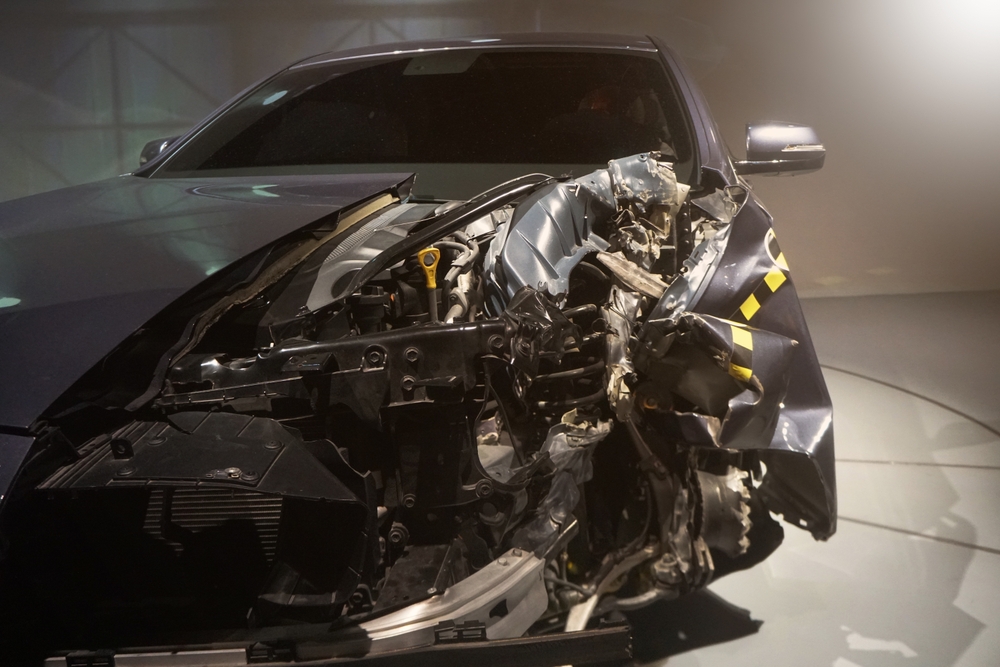
Based on our experience serving drivers throughout Monmouth County, hidden damage is common after collisions that appear relatively minor. Modern vehicles contain advanced safety systems, sensors, and lightweight structural materials that often require careful inspection even when exterior damage seems minimal. Professional inspections frequently uncover issues that cannot be seen without specialized equipment.
Local Impact
Hidden collision damage affects far more than appearance. Bent suspension components, damaged steering systems, or slight frame misalignment can impact handling, tire wear, and overall driving safety. Addressing these issues early helps local drivers avoid additional repairs and maintain confidence on busy New Jersey roads.
What Happens During the Collision Inspection Process?
A complete collision inspection process follows a systematic approach designed to uncover all accident-related damage.
Initial Visual Inspection
Technicians begin by examining the vehicle’s exterior for:
- Dents
- Scratches
- Cracked bumpers
- Broken lights
- Paint damage
- Misaligned body panels
This first step documents obvious damage while identifying areas that require closer evaluation.
Auto Damage Assessment
Next comes a more detailed auto damage assessment. During this phase, technicians inspect components hidden beneath damaged panels, including:
- Suspension parts
- Steering components
- Cooling systems
- Engine compartment
- Wheels and tires
Removing damaged body panels often reveals additional repairs that are not visible during the initial inspection.
Frame Damage Evaluation
One of the most important steps is the frame damage evaluation.
Modern measuring equipment allows technicians to compare your vehicle’s structural dimensions against factory specifications. Even slight deviations can affect:
- Vehicle handling
- Crash protection
- Tire alignment
- Door operation
- Future repair quality
A proper structural inspection ensures repairs restore the vehicle to manufacturer standards whenever possible.
Mechanical System Inspection
A collision can affect more than body panels.
Technicians inspect:
- Suspension
- Steering
- Braking systems
- Cooling system
- Exhaust components
- Drivetrain components if necessary
These systems must operate correctly before the vehicle returns to the road.
Safety System Inspection
Modern vehicles contain numerous safety technologies that require inspection after an accident.
This includes:
- Airbag systems
- Seat belt pretensioners
- Collision sensors
- Backup cameras
- Blind spot monitoring
- Parking sensors
- Advanced Driver Assistance Systems (ADAS)
These systems may require calibration following repairs.
Repair Planning
After completing the post accident vehicle inspection, technicians prepare a comprehensive repair plan outlining:
- Required repairs
- Replacement parts
- Refinishing work
- Structural corrections
- Estimated repair timeline
This detailed plan helps both the repair facility and the vehicle owner understand the full scope of work.
Warning Signs That You Need a Professional Inspection
Even if your vehicle seems drivable after an accident, schedule an inspection if you notice:
- Uneven gaps between body panels
- Steering wheel no longer centered
- Vehicle pulling to one side
- New vibrations while driving
- Tire wear developing quickly
- Dashboard warning lights
- Doors or trunk becoming difficult to close
- Strange noises after the collision
These symptoms often indicate hidden damage that deserves professional evaluation.
When to Call a Professional
Any collision involving another vehicle, fixed object, or significant impact should be professionally inspected. While drivers can visually check for obvious damage, structural issues, suspension problems, and electronic system faults require specialized equipment and trained technicians to identify accurately.
Common Causes of Hidden Collision Damage
Several factors contribute to unseen damage after an accident.
Low-Speed Impacts
Even parking lot collisions can damage bumpers, impact absorbers, or sensor systems hidden behind exterior panels.
Front-End Collisions
These accidents frequently affect:
- Radiators
- Cooling fans
- Frame rails
- Suspension
- Steering components
Side Impacts
Side collisions can damage door reinforcements, pillars, suspension components, and electronic wiring hidden inside the vehicle.
Rear-End Collisions
Rear impacts may affect:
- Trunk structure
- Rear frame rails
- Backup sensors
- Exhaust components
- Suspension geometry
Prevention and Maintenance
While accidents cannot always be avoided, drivers can reduce repair complications by:
- Scheduling an inspection promptly after any collision
- Avoiding delays that allow exposed metal to rust
- Keeping repair documentation
- Addressing warning lights immediately
- Following manufacturer maintenance recommendations after repairs
Early inspections often simplify the repair process and help prevent secondary damage.
Expected Results After a Full Inspection
A comprehensive inspection provides:
- A complete understanding of accident damage
- An accurate repair estimate
- Identification of hidden structural issues
- Improved repair planning
- Greater confidence that safety systems are functioning properly
Knowing the full extent of the damage allows repairs to proceed more efficiently and helps avoid surprises during the restoration process.
Common Mistakes Drivers Make
Mistake: Assuming cosmetic damage is the only issue.
Consequence: Hidden structural or mechanical damage may go unnoticed.
Better Approach: Schedule a complete inspection after any significant impact.
Mistake: Delaying the inspection.
Consequence: Corrosion and additional wear may worsen existing damage.
Better Approach: Have the vehicle evaluated as soon as practical after the accident.
Mistake: Focusing only on insurance estimates.
Consequence: Initial estimates may not include hidden damage discovered during repairs.
Better Approach: Understand that a thorough inspection often provides the most accurate repair plan.
Common Local Scenario
A driver in Middletown experiences a seemingly minor rear-end collision during rush hour traffic on Route 35. The rear bumper shows only light damage, but a professional inspection reveals bent reinforcement components and damaged parking sensors hidden behind the bumper cover. Identifying these issues early allows repairs to restore both the vehicle’s appearance and safety features before additional problems develop.
Related Service Solutions
A complete collision inspection often leads to services such as:
- Collision repair
- Auto body repair
- Dent repair
- Auto painting
- Custom paint work
- Auto restoration
- Professional detailing
Combining these services allows damaged vehicles to be restored both structurally and cosmetically.
Comparing Your Options
| Option | Advantages | Limitations |
|---|---|---|
| Visual Inspection Only | Quick and convenient | Hidden damage may be missed |
| Insurance Estimate Alone | Starts the claims process | May not identify all structural issues |
| Full Professional Collision Inspection | Comprehensive evaluation, accurate repair planning, complete safety assessment | Requires professional equipment and expertise |
Service Areas
We proudly serve drivers throughout Belford, Middletown, Hazlet, Atlantic Highlands, Keansburg, Port Monmouth, Leonardo, and surrounding Monmouth County communities. Whether you’ve experienced a small parking lot accident or major collision damage, we’re here to help restore your vehicle.
Cost of Ignoring the Issue
Delaying a professional inspection can allow hidden damage to worsen over time. Misaligned suspension, structural concerns, and damaged safety systems may lead to additional repair costs, uneven tire wear, or reduced vehicle performance. Addressing these issues promptly helps protect both your investment and your safety.
Frequently Asked Questions
How long does a full vehicle collision inspection take?
A complete collision inspection typically takes enough time to thoroughly evaluate visible and hidden damage. The exact timeframe depends on the extent of the accident and whether additional disassembly is required.
Why is a frame damage evaluation important?
A frame damage evaluation determines whether the vehicle’s structural components remain within factory specifications. Even small structural shifts can affect handling, safety, and the quality of future repairs.
Can a minor accident still require a post accident vehicle inspection?
Yes. Even low-speed collisions can damage bumpers, sensors, suspension components, or structural reinforcements that are not visible from the outside.
Should Belford drivers have their vehicle inspected even if it still drives normally?
Yes. A vehicle may appear to drive normally while hidden structural or mechanical damage remains. A professional inspection helps identify issues before they become more serious.
Does an auto damage assessment include safety systems?
Yes. A complete auto damage assessment typically includes inspecting safety features such as airbags, sensors, cameras, and other electronic systems affected by the collision.
Why do Middletown drivers benefit from early inspections?
Scheduling an inspection promptly helps identify damage before moisture, road salt, or normal driving causes additional wear. Early repair planning also helps avoid unexpected repair delays.
Get the Confidence You Need After a Collision
Your vehicle deserves a complete inspection before repairs begin. We take the time to identify both visible and hidden damage so you understand exactly what your vehicle needs to return safely to the road.
Categorised in: Collision Repair
This post was written by admin
Comments are closed here.