
How Insurance Estimates for Collision Repair Really Work
July 1, 2026 2:05 pmA car accident can disrupt your daily routine in an instant, whether you’re commuting through Middletown, running errands in Belford, or traveling along Route 35. After everyone is safe, one of the first questions most drivers have is how the insurance estimate collision repair process actually works.
Quick Answer
An insurance estimate for collision repair is the insurance company’s initial assessment of the visible damage to your vehicle and the expected repair costs. It is the starting point of the auto body insurance claims process, not always the final repair cost. Once repairs begin, additional hidden damage may be discovered, requiring supplemental estimates before the work is completed.
What Local Drivers Should Know
- An insurance estimate is an initial assessment and may change after a more detailed inspection of your vehicle.
- Hidden structural or mechanical damage is common after collisions and may require supplemental insurance approvals.
- You generally have the right to choose an insurance approved body shop or another qualified repair facility that you trust.
- Drivers throughout Belford, Middletown, Red Bank, and surrounding Monmouth County communities often experience additional damage from rear-end and intersection collisions common on local roadways.
- Choosing a repair facility that manages communication with your insurance company can help simplify the claims process.
Why This Matters Locally
Busy roads like Route 35, Route 36, and the Garden State Parkway see heavy daily traffic throughout Monmouth County. Even what appears to be a minor accident can cause damage beneath modern bumpers and body panels. Salt air from the nearby Jersey Shore, changing weather conditions, and frequent stop-and-go traffic all contribute to wear that can complicate repairs after a collision.
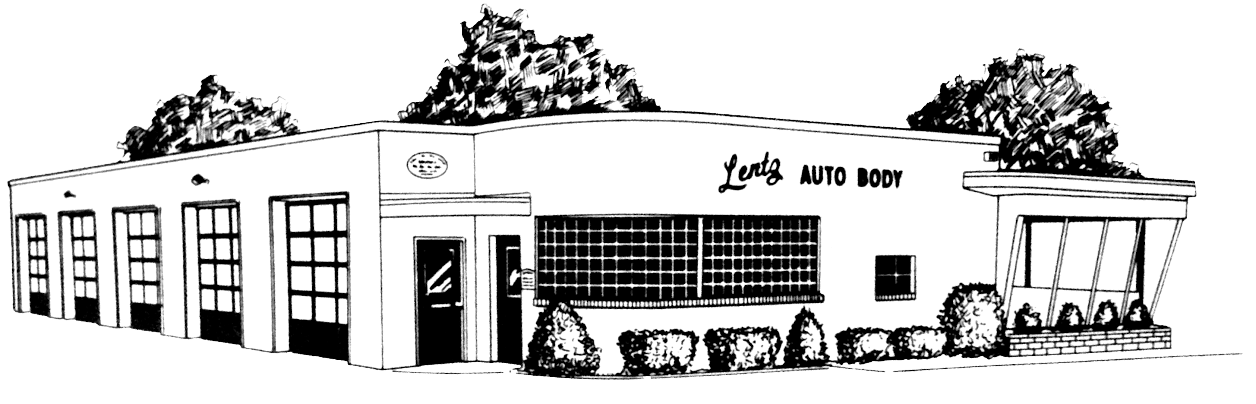
Family owned and established in 1953, Lentz Auto Body has proudly served Belford, Middletown, and surrounding communities for more than 60 years. With new ownership and management, we continue providing complete collision repair and auto body services while helping local drivers navigate the insurance process from estimate to final repair.
How the Insurance Estimate Collision Repair Process Works
The insurance estimate collision repair process begins with documenting visible damage after your accident. An insurance adjuster or estimator reviews your vehicle, photographs the damage, and prepares a car accident repair estimate based on what can be seen without disassembling the vehicle.
However, today’s vehicles are designed with complex safety systems, sensors, crumple zones, and structural components hidden behind exterior panels. Once repairs begin, technicians frequently uncover additional damage that was impossible to identify during the initial inspection.
When this occurs, the repair facility prepares a supplemental estimate with supporting documentation. The insurance company reviews the additional findings and, if approved under your policy, authorizes the necessary repairs.
This process is a normal part of modern collision repair and helps ensure your vehicle is restored correctly rather than simply repairing visible cosmetic damage.
Professional Field Observations
Based on our experience serving drivers throughout Belford and Middletown, supplemental estimates are common because modern vehicles conceal much of their safety equipment beneath bumpers, fenders, and body panels.
We also regularly see damage involving:
- Parking lot collisions
- Rear-end accidents
- Side-impact collisions at intersections
- Deer strikes
- Storm-related vehicle damage
Each situation requires a careful inspection to identify all affected components before repairs are completed.
How Insurance Estimates Affect Local Vehicle Owners
Insurance estimates influence more than repair costs. They also affect repair timelines, parts ordering, and overall vehicle safety.
For local families who rely on one vehicle for work, school, and daily activities, understanding the process helps set realistic expectations. Waiting a few extra days for supplemental approvals can prevent incomplete repairs that might affect vehicle performance or safety later.
A thorough inspection also helps ensure paint finishes, body alignment, and structural repairs meet manufacturer repair procedures whenever applicable.
Warning Signs Your Initial Estimate May Change
Several situations commonly lead to supplemental estimates:
- The bumper cover appears lightly damaged, but internal reinforcement bars are bent.
- Airbag sensors or advanced driver assistance system components are damaged.
- Frame or structural damage becomes visible after panels are removed.
- Suspension components were affected by the impact.
- Paint damage extends farther than originally visible.
- Hidden corrosion or previous repairs complicate the current repair.
- Electrical wiring behind damaged panels has been compromised.
When You Should Contact a Collision Repair Professional
After any accident, visible dents are only part of the picture. Professional inspection becomes especially important if:
- Warning lights appear on the dashboard.
- Doors, hood, or trunk no longer align properly.
- Steering feels different after the collision.
- Fluids begin leaking.
- Airbags deployed.
- The vehicle was struck at moderate or higher speeds.
While drivers can safely document damage with photos and begin the insurance claim, identifying structural or hidden damage should always be left to experienced collision repair professionals.
Common Causes of Supplemental Repair Estimates
Several factors frequently result in additional insurance approvals.
Hidden Structural Damage
Modern vehicles absorb impact beneath exterior panels, making structural damage impossible to see during an initial inspection.
Advanced Safety Technology
Radar sensors, cameras, parking sensors, and lane assistance systems are often located behind bumpers or windshields.
Mechanical Damage
Wheel impacts may damage suspension or steering components that are not immediately visible.
Parts Availability
Occasionally replacement parts require revised labor procedures or additional related components during installation.
Preventing Delays During the Claims Process
Although accidents cannot always be prevented, drivers can help reduce repair delays by:
- Reporting the accident promptly.
- Taking clear photographs of all vehicle damage.
- Providing accurate accident details.
- Removing personal belongings before repairs begin.
- Choosing a repair facility experienced with the auto body insurance claims process.
- Responding quickly if your insurance company requests additional information.
What You Can Expect During Repairs
Most repairs follow a similar sequence.
First, the initial estimate is reviewed. Next, technicians perform a complete teardown inspection to identify all damage. If additional repairs are necessary, supplemental documentation is submitted to the insurance company. Once approvals are received, repairs proceed before painting, refinishing, quality inspections, and final delivery.
Communication throughout the process helps drivers understand repair progress and expected completion timelines.
Common Mistakes Drivers Make
Mistake: Assuming the first estimate is always the final repair cost.
Consequence: Unexpected supplemental approvals may feel confusing or concerning.
Better Approach: Understand that the initial estimate reflects only visible damage.
Mistake: Choosing the quickest estimate without considering repair quality.
Consequence: Important structural or safety repairs could be overlooked.
Better Approach: Select an experienced collision repair facility that performs complete inspections.
Mistake: Delaying repairs after receiving an estimate.
Consequence: Existing damage may worsen or create additional issues over time.
Better Approach: Schedule repairs promptly after insurance approvals are completed.
A Common Local Scenario
A Middletown driver experiences a rear-end collision during evening traffic. The initial car accident repair estimate includes a new bumper cover and paint work. After technicians remove the damaged bumper, they discover bent reinforcement components and damaged parking sensors.
A supplemental estimate is submitted, approved by the insurance company, and repairs continue with the correct replacement parts. While the repair takes slightly longer, the finished vehicle is restored more completely than if only visible damage had been addressed.
Related Collision Repair Services
Insurance estimates are only one part of restoring your vehicle after an accident. Depending on the damage, related services may include:
- Collision repair
- Auto body repair
- Dent repair
- Auto painting
- Custom paint work
- Auto restoration
- Car detailing
As a one-stop collision repair facility, we coordinate these services so drivers can complete their repairs in one location.
Comparing Your Repair Options
| Option | Benefits | Considerations |
|---|---|---|
| Initial insurance estimate only | Starts the claim quickly | May not identify hidden damage |
| Professional collision inspection | More complete assessment | May require supplemental approval |
| Insurance approved body shop | Familiar with insurer procedures | Quality and experience still matter |
| Experienced independent collision shop | Comprehensive repairs and claim assistance | Insurance approval process still applies |
Serving Belford and Nearby Communities
We proudly serve drivers throughout Belford, Middletown, Red Bank, Hazlet, Atlantic Highlands, Highlands, and surrounding Monmouth County communities. Our goal is to make collision repair as straightforward as possible while restoring your vehicle safely and professionally.
The Cost of Delaying Repairs
Waiting to repair collision damage can lead to additional corrosion, worsening structural issues, misaligned components, or safety concerns. Even seemingly minor body damage may conceal more significant problems beneath the surface.
Frequently Asked Questions
Does an insurance estimate include all collision damage?
Yes and no. The initial estimate includes visible damage, but hidden damage discovered during repairs may require supplemental approvals before work is completed.
Can I choose my own insurance approved body shop in Middletown?
Yes. In many situations, drivers may choose the repair facility they prefer. Ask your insurance provider about your specific policy and repair options.
Why does my car accident repair estimate change?
The estimate changes when technicians discover additional damage after disassembling the vehicle. This is a standard part of modern collision repair.
How long does the auto body insurance claims process usually take?
The timeline depends on the extent of damage, insurance approvals, parts availability, and repair complexity. Minor repairs generally move faster than major collision repairs.
Do newer vehicles require more detailed inspections?
Yes. Modern vehicles contain advanced safety technology, sensors, and structural components that require careful inspection after many types of collisions.
Why is hidden damage common after accidents in Monmouth County?
Busy roads, frequent stop-and-go traffic, and varying collision types often create damage beneath exterior body panels that cannot be identified until repairs begin.
Get Trusted Collision Repair Guidance from Local Professionals
Understanding how insurance estimates work helps reduce uncertainty after an accident. Our team is committed to helping drivers throughout Belford, Middletown, and nearby communities understand every step of the repair process while delivering quality collision repairs backed by decades of local experience.
Let Us Help Restore Your Vehicle with Confidence
Whether you need an estimate, complete collision repair, or assistance navigating the insurance process, we’re here to help every step of the way.
Categorised in: Collision Repair
This post was written by admin
Comments are closed here.