Classic Car Restoration: What Owners Should Expect
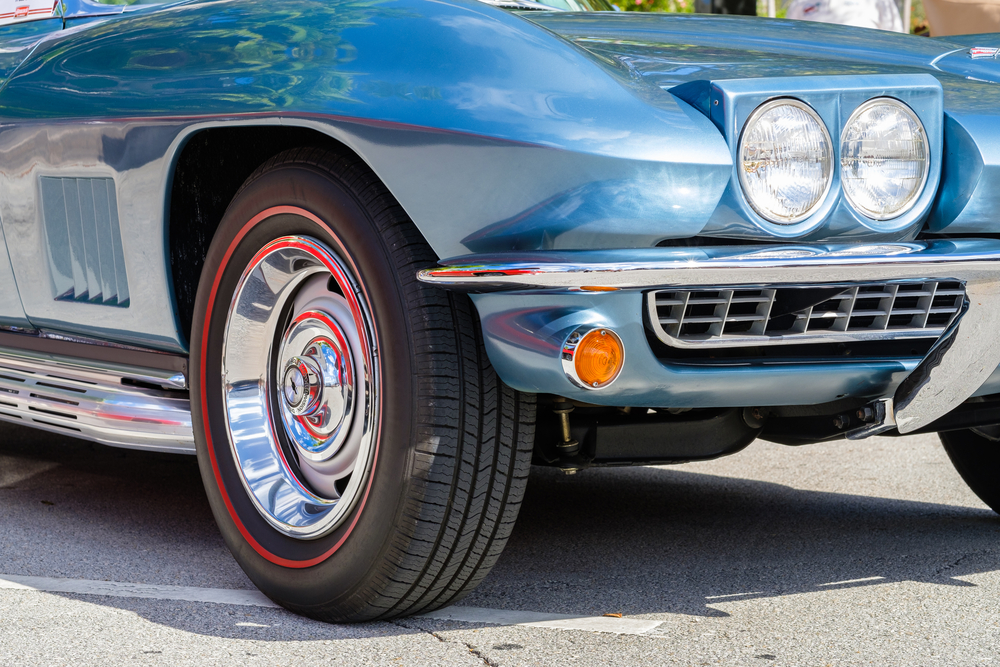
May 25, 2026 1:41 pmBringing a vintage vehicle back to life is one of the most rewarding projects a car enthusiast can undertake. Whether you have a 1965 Ford Mustang sitting in a garage or a 1957 Chevrolet Bel Air tucked away in a barn, classic car restoration is a journey that demands patience, planning, and a realistic understanding of what lies ahead.
Before you hand over the keys to a restoration shop or roll up your sleeves yourself, it helps to know what the process actually involves, how long it takes, and what it is going to cost you.
Understanding the Scope of a Restoration Project
Not all classic car restoration projects are created equal. The scope of work depends heavily on the condition of the vehicle, the make and model, and the level of restoration you are aiming for. A driver-quality restoration focuses on making the car safe and enjoyable to drive without necessarily achieving showroom perfection. A show-quality restoration, on the other hand, involves restoring every component to factory specifications or better, which can take years and cost tens of thousands of dollars.
Before any work begins, a thorough inspection is essential. A professional shop will evaluate the frame, body panels, engine, transmission, suspension, electrical system, and interior. Each of these areas will need to be assessed for damage, wear, and missing parts. This initial evaluation will help you build a realistic scope of work and a budget that reflects the true demands of the project.
One of the most important things to understand early on is that classic car restoration almost always reveals surprises. Once the vehicle is disassembled, hidden damage, previous repairs, and rust that was not visible during the initial inspection will surface. Planning for these unknowns with a contingency budget of at least 15 to 20 percent above your initial estimate is a smart strategy.
Rust Repair: The Foundation of Any Restoration
If there is one area that can make or break a classic car restoration project, it is rust. Rust repair is not glamorous work, but it is absolutely critical. Structural rust on the frame or floor pans compromises the safety and integrity of the vehicle. Surface rust on body panels, if left untreated, will continue to spread and eventually destroy the metal entirely.
Rust repair on a classic car can range from simple surface treatments to full panel replacements. For light surface rust, grinding, treating with a rust converter, and applying a protective primer may be sufficient. For more advanced rust, sections of metal will need to be cut out and replaced with patch panels or entirely new fabricated sections. In the most severe cases, a rotisserie restoration is required, where the body is completely stripped and rotated on a special frame to allow full access to every surface.
The cost of rust repair varies widely. A vehicle with minor surface rust might require only a few hundred dollars in materials and labor. A heavily rusted vehicle that needs extensive metal fabrication can add thousands of dollars to the overall restoration budget. Getting a thorough rust assessment before committing to a project is one of the best investments you can make.
Rust repair also sets the stage for everything that comes after it. No amount of quality auto body painting will compensate for rust that was not properly addressed beneath the surface. Bubbling paint and cracked finishes are the telltale signs of rust that was covered rather than cured. Doing this step right the first time is non-negotiable.
Auto Body Painting: Bringing the Color Back to Life
Once the metalwork is complete and the body is smooth and straight, it is time to talk about auto body painting. This is the step that most owners look forward to the most, because it is where the car begins to look like itself again. However, quality auto body painting is a complex process that involves far more than simply spraying on a coat of color.
Proper preparation is the heart of a great paint job. The body must be sanded, primed, and blocked to ensure a perfectly flat surface. Any remaining imperfections in the metal will be magnified by paint, so this stage requires patience and skill. Multiple coats of primer are applied, sanded between coats, and inspected under different lighting conditions to catch any flaws before the color goes on.
The choice of paint system also matters. Modern urethane paints offer excellent durability and gloss, while some purists prefer lacquer for period-correct authenticity on pre-1970s vehicles. The type of paint, the number of coats, and the quality of the clear coat will all affect the final appearance and longevity of the finish.
Color matching is another consideration, especially if the goal is to restore the vehicle to its original factory color. Matching original automotive colors from decades ago can be challenging, as paint codes may have faded or the formulations may have changed over time. A skilled painter with experience in classic car restoration will know how to navigate these challenges and achieve a finish that looks correct to the era.
Custom Car Painting: Making It Your Own
Not every restoration owner wants to return their vehicle to its original specifications. Many choose to use the restoration process as an opportunity to personalize their car with a custom car painting approach. Custom car painting can range from a subtle color change to an elaborate multi-tone paint scheme, graphics, flames, or even airbrushed artwork.
Custom car painting requires a high level of skill and planning. Color choices should complement the body lines and character of the vehicle. Metallic and pearl finishes can add depth and visual interest, while matte and satin clears offer a modern twist on classic styling. If you are planning any custom graphics or designs, working with an artist to sketch out the concept before the painting stage begins will save time and frustration.
It is also worth considering how a custom finish will affect the vehicle’s value. For cars with historical significance or matching numbers, straying too far from the original color and spec can reduce collector value. For personal drivers or show cars built purely for the owner’s enjoyment, resale value may be less of a concern, making custom car painting a great way to express individual style.
Custom work also tends to cost more than a standard restoration finish. The additional masking, layering, and artistry involved in a custom car painting job require more labor hours and specialized materials. Getting multiple quotes from painters who specialize in this type of work is a good way to understand the market and find the right fit for your vision and budget.
Managing Timelines and Working with a Restoration Shop
One of the most common frustrations in classic car restoration is the timeline. Owners often come in expecting a project to take three to six months and find themselves waiting well over a year. There are several reasons for this. Parts for vintage vehicles can be difficult to source, especially for rarer makes and models. Shops that do quality work are often booked out for months. And as mentioned earlier, unexpected discoveries during disassembly can add significant time to the project.
Communication with your restoration shop is essential. Establish a clear scope of work in writing before the project begins. Agree on a payment schedule that ties payments to completed milestones rather than arbitrary dates. Ask for regular updates with photos so you can stay informed without hovering over the shop’s shoulder.
Choosing the right shop matters more than almost any other decision in the process. Look for a shop with documented experience in classic car restoration, a portfolio of completed work, and verifiable references from past clients. A shop that specializes in vintage vehicles will understand the unique challenges involved and will have the tools, parts knowledge, and expertise to do the job properly.
Conclusion
Classic car restoration is a deeply satisfying process that rewards careful planning and realistic expectations. From rust repair to auto body painting and custom car painting, each stage builds on the last to create a finished vehicle that reflects craftsmanship and dedication. Going in with a clear understanding of the scope, budget, and timeline will help ensure that your restoration experience is a positive one from start to finish.
Need an Auto Body Shop in NJ?
Family owned and established in 1953, Lentz Auto Body has been serving Belford and Middletown for over 60 years. Here at Lentz Auto Body, we provide superior, experienced service for your vehicle. Now with all new ownership and management, Lentz Auto Body is your one-stop shop for all things collision repair and body work. Some of our major services include collision and auto body repair, dent repair, auto restoration, auto painting, custom auto painting, car detailing, and more! If you need collision repair or auto body services in Middletown, give us a call or stop in today for an estimate. Our friendly staff and professional mechanics are here, waiting to assist you!
Categorised in: Auto Restoration
This post was written by admin
Comments are closed here.