Tips for Maintaining Your Paint Job After Collision Repair
March 18, 2026 2:37 pmAfter your vehicle has been through collision repair, the fresh paint job is one of the most visible signs of restoration. However, that newly applied paint requires careful attention and proper maintenance to ensure it remains vibrant, protective, and long-lasting. Whether you had car paint services performed at a professional auto body shop or opted for ceramic coating protection, understanding how to care for your vehicle’s exterior will help preserve your investment and keep your car looking showroom-fresh for years to come.
Waiting Period Before Washing Your Vehicle
One of the most important steps in maintaining your paint job after collision repair is knowing when to wash your car. Many people make the mistake of washing their vehicle too soon after repair work, which can damage the newly applied paint and compromise the curing process. Professional auto body painting requires adequate time for the clear coat and paint layers to fully cure and harden.
Most auto body shops recommend waiting at least two weeks before washing your car after paint repair. Some shops may suggest waiting up to thirty days, depending on the type of paint products used and the environmental conditions where the work was performed. During this curing period, avoid exposing your vehicle to rain, extreme heat, or direct sunlight whenever possible. If rain exposure is unavoidable, use a soft microfiber cloth to gently pat the surface dry rather than allowing water spots to form and potentially etch into the new paint.
When you do wash your vehicle for the first time, use only cool or lukewarm water with a pH-neutral, non-abrasive car wash soap. Avoid automatic car washes, pressure washers, and harsh cleaning chemicals that could compromise the paint’s integrity during this critical curing phase. Hand washing with a soft sponge and proper technique is the safest approach during the initial weeks after repair.
Protecting Your Paint with Ceramic Coating
Ceramic coating has become increasingly popular among vehicle owners who want maximum protection for their paint job following collision repair. This advanced protective layer bonds to your vehicle’s clear coat and creates a hydrophobic surface that repels water, dirt, and contaminants. If your collision repair included ceramic coating application, you are already taking a significant step toward long-term paint preservation.
Ceramic coating offers numerous benefits beyond basic wax protection. It provides UV protection that prevents oxidation and fading, reduces the appearance of water spots, and makes regular washing easier because contaminants do not bond as strongly to the treated surface. The coating can last between two to five years, depending on the quality of the product and how well you maintain it.
To maximize the benefits of ceramic coating, avoid washing your vehicle for at least seven days after application. This allows the coating to fully cure and bond with the clear coat. Once the initial curing period has passed, wash your car regularly with appropriate ceramic-safe products. Many ceramic coating manufacturers recommend using specific pH-neutral shampoos formulated to work with ceramic-coated surfaces. Avoid wax products on ceramic-coated paint, as traditional waxes can create an incompatible layer between the coating and your vehicle’s finish.
Regular Washing and Protective Maintenance
Establishing a consistent washing routine is fundamental to maintaining your paint job after collision repair. Regular washing removes contaminants such as bird droppings, tree sap, salt, and road grime that can etch into your paint if left unattended. How frequently you should wash your vehicle depends on your local climate and driving conditions. In coastal areas or regions with heavy salt exposure, weekly washing is ideal. In drier climates, washing every two to three weeks is usually sufficient.
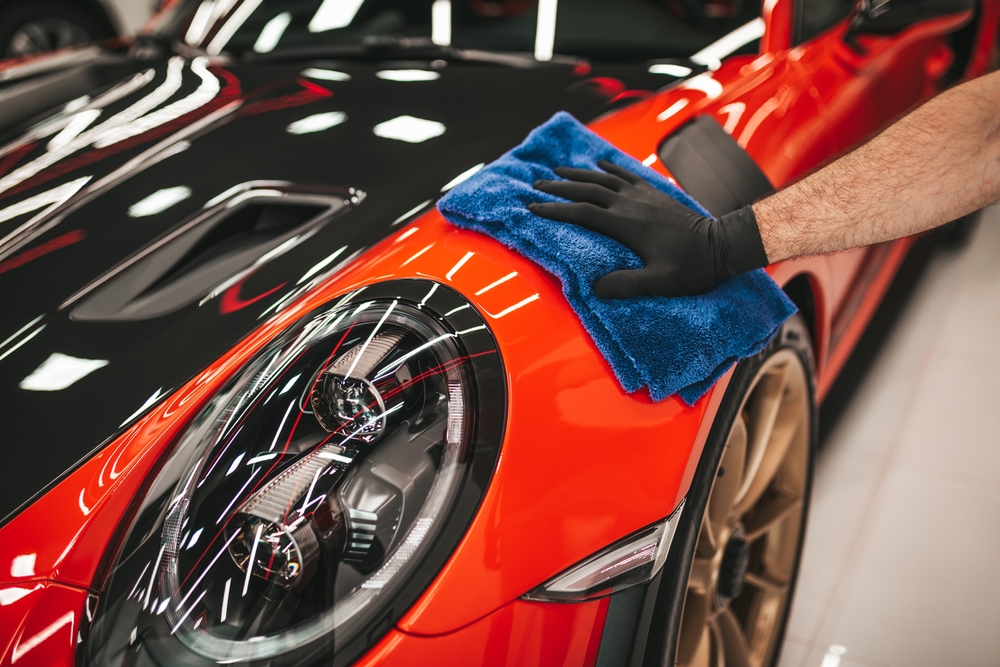
When washing your vehicle, start from the top and work downward, using separate buckets for your washing and rinsing water. This two-bucket method prevents contaminated water from damaging your fresh paint. Always use a microfiber wash mitt or soft sponge rather than harsh brushes or towels that could cause swirl marks and scratches. After washing, dry your vehicle with a soft microfiber towel to prevent water spots from forming on your newly painted surface.
Beyond regular washing, consider applying protective products between ceramic coating applications or if you opted not to use ceramic coating during your collision repair. High-quality wax products provide an additional protective barrier against environmental contaminants and UV rays. Wax should be applied every three to six months, depending on the product type and your vehicle’s exposure to harsh conditions. Applying wax is straightforward: use a soft applicator pad to apply thin, even layers, let the wax cure according to product instructions, then buff away the haze with a clean microfiber cloth.
Understanding Rustproofing and Undercarriage Protection
While collision repair focuses primarily on visible exterior damage and paint restoration, protecting your vehicle’s undercarriage from rust is equally important for long-term preservation. Rustproofing is especially critical if your collision repair included damage to the undercarriage, frame, or areas where the protective coating may have been compromised. Rust develops when moisture and oxygen react with bare metal, and this process can accelerate significantly in regions with heavy salt use or high humidity.
After collision repair, discuss rustproofing options with your auto body shop. Professional rustproofing treatments create a protective barrier on your vehicle’s undercarriage and exposed metal surfaces. These treatments come in various formulations, ranging from oil-based products to modern ceramic-based options that offer extended protection. If your collision repair did not include rustproofing services, you can apply these treatments afterward to prevent corrosion and extend your vehicle’s lifespan.
Inspect your vehicle’s undercarriage periodically, especially if you live in areas with harsh winters or coastal regions. Look for signs of rust, corrosion, or damage to existing protective coatings. Address any rust spots immediately, as rust spreads quickly and can compromise structural integrity if left unchecked. Regular undercarriage washing, particularly after winter months or exposure to salt, helps remove corrosive materials before they can cause permanent damage.
Avoiding Common Paint Damage and Maintenance Mistakes
Even with the best intentions, certain behaviors and environmental factors can damage your paint job after collision repair. Understanding what to avoid will help you maintain your vehicle’s appearance and protective finish. Park in shaded areas whenever possible to minimize UV exposure, which can cause fading and oxidation over time. If covered parking is not available, use a high-quality car cover designed to protect against environmental elements without scratching the paint.
Avoid parking beneath trees that drop sap, bird droppings, or other debris. These substances are acidic and can etch into your paint if left for extended periods. Remove such contaminants promptly by rinsing them away with water and gently wiping the area with a soft cloth. Never use abrasive materials, rough towels, or harsh scrubbing motions that could scratch your newly repaired paint.
Be cautious with automated car washes during the months following your collision repair. Many automated systems use brushes and harsh chemicals that can damage fresh paint. Touchless car washes that rely on pressure and chemical spray are generally safer, though hand washing remains the gold standard for paint protection. When fueling your vehicle, be careful not to drip gasoline on the paint, as this substance can cause staining and damage. If gasoline exposure occurs, rinse immediately with cool water.
Conclusion
Maintaining your vehicle’s paint job after collision repair requires commitment to proper care and protective measures. By following the recommended waiting period before washing, considering ceramic coating protection, establishing regular washing and waxing routines, addressing rustproofing needs, and avoiding common damage causes, you will preserve your investment and keep your vehicle looking excellent for years to come. The effort you invest in paint maintenance pays dividends through lasting protection and maintained vehicle value.
Need an Auto Body Shop in NJ?
Family owned and established in 1953, Lentz Auto Body has been serving Belford and Middletown for over 60 years. Here at Lentz Auto Body, we provide superior, experienced service for your vehicle. Now with all new ownership and management, Lentz Auto Body is your one-stop shop for all things collision repair and body work. Some of our major services include collision and auto body repair, dent repair, auto restoration, auto painting, custom auto painting, car detailing, and more! If you need collision repair or auto body services in Middletown, give us a call or stop in today for an estimate. Our friendly staff and professional mechanics are here, waiting to assist you!
Categorised in: Collision Repair
This post was written by admin
Comments are closed here.