From Minor Scratches to Major Bumper Repair: Fixing Everyday Vehicle Damage
January 7, 2026 7:42 pm 4 CommentsEvery vehicle owner has experienced the frustration of discovering new damage on their car, whether it’s a faint scratch on the door or a more serious dent in the bumper. While some damage is purely cosmetic, others can affect safety, performance, or resale value. Understanding the types of common vehicle damage and how they’re repaired is crucial for maintaining your car’s appearance and functionality. Whether it’s scratch repair, bumper repair, fender repair, or wheel repair, each issue requires a unique approach and professional attention.
The Scope of Scratch Repair
Scratches are among the most frequent types of car damage, and while they may seem minor, they can be more than just a cosmetic nuisance. Depending on their depth, scratches can penetrate multiple layers of a vehicle’s paint job, including the clear coat, base color, primer, and even the metal body itself. Light surface scratches may be polished out using a mild abrasive or rubbing compound, while deeper scratches that reach the primer or metal require a more intensive process involving sanding, priming, color matching, and repainting.
Ignoring a scratch that reaches the metal can lead to rust over time, compromising the structural integrity of that area. Modern techniques such as touch-up pens and paint chip repair kits can handle minor issues at home, but for best results and to preserve your vehicle’s finish, professional scratch repair is often the wisest choice. Advanced facilities can use computer-aided color matching systems to ensure that the repaired area blends seamlessly with the original paint.
Bumper Repair: More Than Cosmetic
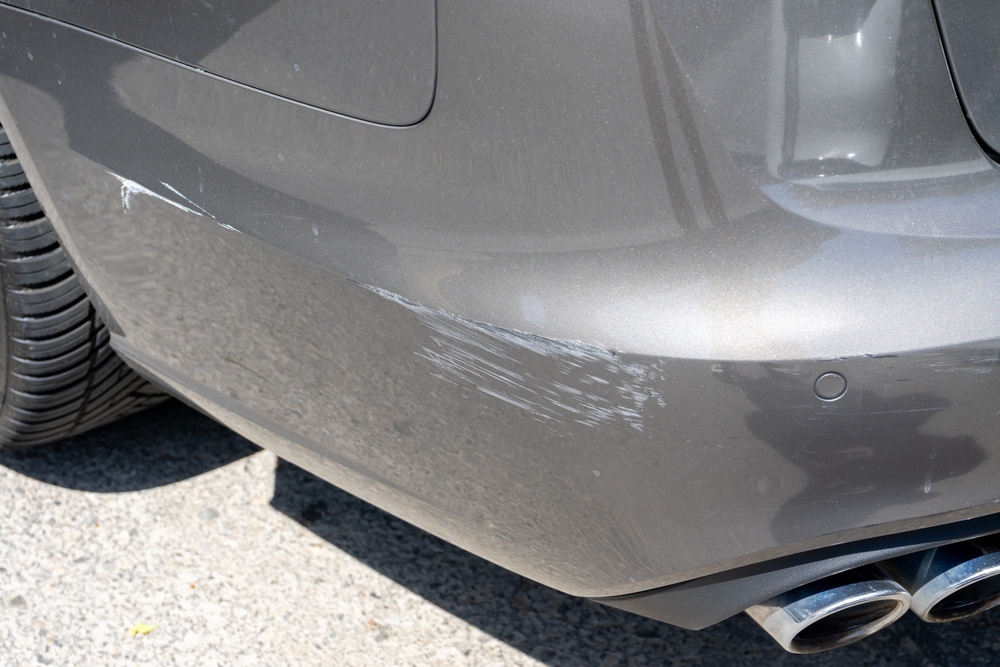
The bumper is designed to absorb impact and protect the vehicle’s structure during minor collisions. It is often the first area to take damage, especially in parking lot accidents or fender benders. Depending on the material of the bumper (plastic, fiberglass, or metal), the repair approach varies. Small dents or cracks can often be repaired using plastic welding or filler compounds, followed by sanding and painting. However, more serious damage that compromises the bumper’s ability to protect the vehicle may require full replacement.
It’s essential to inspect for hidden damage when conducting bumper repair. Even if the exterior looks only slightly damaged, sensors embedded in the bumper for parking assist or collision detection may have been affected. Professionals often perform diagnostics to ensure the technology behind the bumper is still functional. Repairing or replacing a bumper without addressing these features can lead to further complications and safety concerns.
The Nuances of Fender Repair
Fenders are another part of the vehicle that often sustains damage from minor accidents, especially those involving side impacts or narrow parking spaces. Unlike bumpers, fenders are integrated into the car’s body and help shield the wheels and undercarriage from debris. Fender damage can range from minor dings and scrapes to larger dents and distortions that misalign panels and interfere with the door or hood.
Fender repair typically starts with assessing the extent of the damage. For shallow dents, paintless dent removal (PDR) might be possible, preserving the original paint and saving time. In cases of deeper damage or creasing, technicians may use specialized tools to reshape the metal or plastic, then fill, sand, and repaint the area. In severe cases, especially when the integrity of the panel is compromised, full fender replacement might be the only safe option.
One of the challenges with fender repair is ensuring that the panel gaps and body lines remain consistent with the rest of the vehicle. Even a small misalignment can be noticeable and affect aerodynamics or door closure. Professional shops are equipped with frame-measuring tools and laser alignment systems to restore the original factory specifications.
Wheel Repair: Restoring Function and Appearance
Wheels take a beating on the road. Curb rash, potholes, and road debris can all contribute to damage that affects both the aesthetics and performance of your wheels. Depending on the type of wheel and extent of damage, wheel repair techniques vary. Alloy wheels, which are common in modern vehicles, can often be repaired if the damage is superficial. Cosmetic issues like scratches and scuffs can be sanded and repainted or powder-coated.
Structural issues, such as bent rims from hitting a pothole, require a more technical approach. Bent wheels can lead to vibrations, uneven tire wear, and even steering problems. Professional shops use hydraulic straightening machines to restore the roundness of the wheel. However, if a wheel has cracks or extensive structural damage, replacement may be the safer and more economical route.
Some vehicle owners also use the opportunity to customize their wheels during the repair process. Repainting or refinishing in a new color or style can give a fresh look to the entire vehicle. Regardless of the finish, it’s important that repaired wheels meet safety standards and are balanced correctly before being reinstalled.
Choosing the Right Repair Shop
Selecting the right facility for scratch repair, bumper repair, fender repair, or wheel repair is just as important as recognizing the damage itself. A high-quality auto body shop will provide an honest assessment, use quality parts and materials, and employ certified technicians with experience in all facets of collision and cosmetic repair. Look for shops that offer warranties on their work, maintain good reviews, and have transparent pricing.
Modern repair facilities often use digital imaging and estimation tools, allowing for a faster and more accurate quote process. They may also work directly with insurance companies, simplifying the claims process for the vehicle owner. Communication is key during the repair process, especially when dealing with multiple areas of damage. A reputable shop will keep the customer informed and provide updates throughout the repair timeline.
It’s also important to verify that the repair shop uses eco-friendly and manufacturer-approved materials. Waterborne paints and dust-containment systems are increasingly common and indicate a shop’s commitment to both quality and environmental responsibility.
Conclusion
Everyday vehicle damage is an unavoidable reality for most car owners, but it doesn’t have to be a source of stress or long-term deterioration. From minor scratch repair to comprehensive bumper, fender, or wheel repair, addressing issues promptly can preserve your car’s value, safety, and appearance. Understanding the types of repairs available and seeking the help of qualified professionals ensures that your vehicle remains in peak condition. Whether you’ve encountered a careless parking lot scratch or a more significant fender bender, taking action quickly and choosing the right repair solution is the best path to restoring your vehicle to its former glory.
Need an Auto Body Shop in NJ?
Family owned and established in 1953, Lentz Auto Body has been serving Belford and Middletown for over 60 years. Here at Lentz Auto Body, we provide superior, experienced service for your vehicle. Now with all new ownership and management, Lentz Auto Body is your one-stop shop for all things collision repair and body work. Some of our major services include collision and auto body repair, dent repair, auto restoration, auto painting, custom auto painting, car detailing, and more! If you need collision repair or auto body services in Middletown, give us a call or stop in today for an estimate. Our friendly staff and professional mechanics are here, waiting to assist you!
Categorised in: Auto Body Repairs
This post was written by admin
4 Comments
Monetize your influence—become an affiliate today!
Join our affiliate program and watch your earnings skyrocket—sign up now!
Join forces with us and profit from every click!
Join our affiliate community and maximize your profits—sign up now!