Rust Repair, Rustproofing & Long-Term Vehicle Protection in Coastal New Jersey
December 31, 2025 4:10 pm 2 CommentsLiving along the coast of New Jersey offers countless lifestyle benefits, from ocean views to fresh sea air. However, this scenic environment also presents a significant challenge for vehicle owners: rust. The salty air and moisture-laden conditions accelerate corrosion, particularly for cars that are not consistently cleaned or protected. Addressing rust and its long-term consequences is vital for maintaining a vehicle’s safety, value, and appearance. From professional rust repair to advanced rustproofing and bodywork techniques like aluminum body repair and fiberglass repair, vehicle owners in coastal regions must take proactive steps to preserve their investment.
The Impact of Coastal Weather on Vehicle Rust
The coastal climate in New Jersey creates a perfect storm for rust formation. Salt from ocean spray and humid conditions can cling to a vehicle’s undercarriage and metal components, allowing oxidation to take hold more quickly than in inland areas. Over time, this corrosion can weaken structural elements, leading to unsafe driving conditions and expensive repairs.
Rust commonly starts in areas where water collects or lingers, such as wheel wells, rocker panels, exhaust systems, and the undercarriage. Vehicles that aren’t washed frequently or that sit idle for long periods are especially susceptible. Winter road salting compounds the issue, making rust an ever-present threat throughout the year.
When left unchecked, rust spreads beneath the paint and compromises the structural integrity of metal parts. It can create holes in the frame or body, weaken brake lines, and even affect the suspension. For those living in coastal New Jersey, understanding and mitigating the rust threat isn’t optional; it’s a necessary part of responsible vehicle ownership.
Rust Repair: Tackling the Problem at Its Source
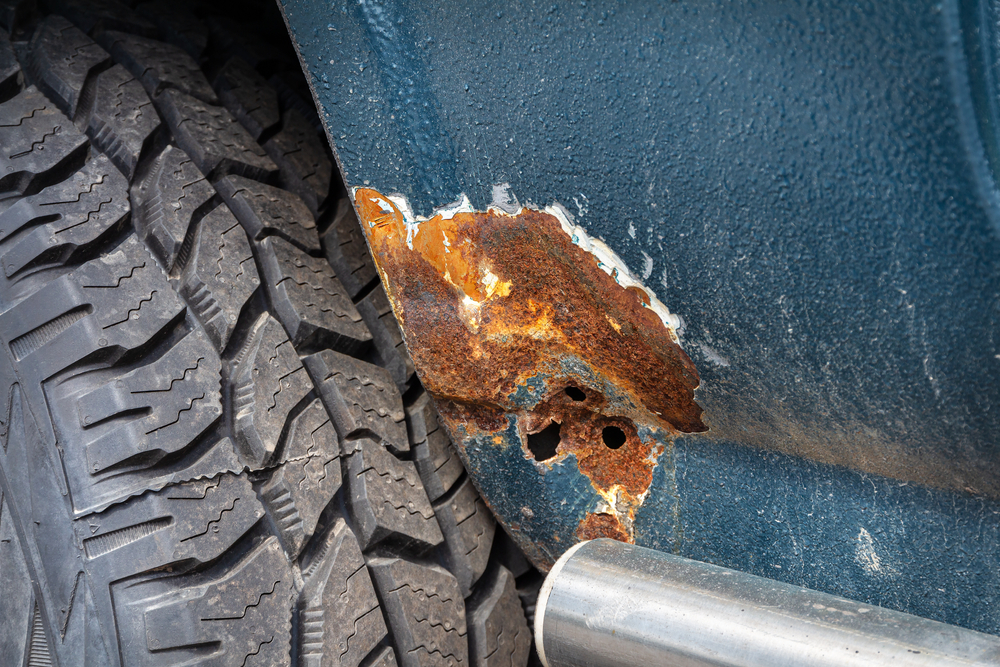
Rust repair begins with a thorough inspection to determine the severity and extent of corrosion. There are different types of rust, from surface rust, which affects only the top layer of paint and metal, to scale rust, which eats deeper into the metal, and penetrating rust, which creates holes and threatens the vehicle’s integrity.
For minor surface rust, technicians may use sanding or grinding tools to remove oxidation, followed by rust-inhibiting primer and paint. In cases of scale or penetrating rust, the process becomes more invasive. This may involve cutting out the affected area and welding in new metal panels, followed by sealing and repainting to prevent future exposure.
Effective rust repair also involves treating the surrounding area to ensure any hidden corrosion is addressed. Technicians may apply rust converters or inhibitors that chemically neutralize remaining rust and form a protective barrier. This step is crucial in coastal New Jersey, where humidity and salt can quickly reignite corrosion if the repair isn’t thorough.
While DIY rust repair kits are widely available, professional service is highly recommended for serious cases. Trained technicians can ensure the structural safety of the vehicle while using manufacturer-recommended materials and techniques that preserve resale value and aesthetics.
The Importance of Rustproofing in Coastal Environments
Preventing rust before it starts is far more effective, and often more affordable, than repairing damage after the fact. Rustproofing offers a layer of defense against moisture and salt, protecting both visible and hidden areas of a vehicle. This is especially important in coastal areas like New Jersey, where constant exposure to sea air accelerates corrosion.
There are several types of rustproofing available. Undercoating is a common option, where a protective spray is applied to the undercarriage to block moisture and road salt. Dripless or drip-oil sprays can also be applied inside panels and doors to inhibit rust from forming in hard-to-see locations. These products creep into seams, crevices, and welds, forming a lasting protective shield.
New vehicles often come with some factory corrosion protection, but this may not be sufficient for coastal environments. Over time, road debris can chip away at factory coatings, leaving bare metal vulnerable. That’s why many vehicle owners opt for professional rustproofing services annually or bi-annually to maintain a strong barrier.
Regular rustproofing doesn’t just extend the life of your vehicle; it can improve trade-in value and reduce long-term maintenance costs. For residents of coastal New Jersey, it’s a smart investment that provides year-round peace of mind.
Specialized Body Repairs: Aluminum and Fiberglass Solutions
Modern vehicles feature a combination of materials including steel, aluminum, and fiberglass. While aluminum and fiberglass are more resistant to rust than steel, they are not immune to damage or degradation from coastal exposure. When these materials are damaged, they require specialized repair techniques to restore their integrity and appearance.
Aluminum body repair is becoming increasingly common as manufacturers shift toward lighter, more fuel-efficient vehicles. However, aluminum requires different handling than steel. It’s more prone to stretching and requires dedicated tools and techniques to avoid contamination and galvanic corrosion when used in conjunction with steel parts. Certified technicians who specialize in aluminum body repair ensure that repairs meet manufacturer standards and retain structural safety.
Fiberglass is another material frequently used in vehicle panels, especially in sports cars, RVs, and boats. While fiberglass doesn’t rust, it can crack, delaminate, or develop stress fractures when exposed to environmental extremes. Fiberglass repair involves sanding, resin application, and precise reshaping to restore the component’s strength and aesthetics.
In coastal New Jersey, vehicles made with aluminum or fiberglass components still benefit from regular inspections and maintenance. Even without rust, these materials can suffer from salt exposure, UV damage, and moisture penetration. Addressing these issues early ensures continued performance and visual appeal.
Long-Term Vehicle Protection Strategies
Protecting your vehicle against the coastal elements goes beyond rustproofing and repairs. It involves a comprehensive approach that combines preventive maintenance, regular inspections, and smart care practices.
Washing your vehicle regularly is one of the most effective ways to reduce rust and corrosion. Focus on the undercarriage and wheel wells, where salt and grime accumulate. Use freshwater to rinse off salt and avoid automatic car washes with harsh brushes that can damage protective coatings.
Applying a high-quality wax or sealant adds another layer of protection to the vehicle’s paint and clear coat. These products act as a barrier between the paint and environmental contaminants. Ceramic coatings provide even longer-lasting protection and are increasingly popular among drivers in coastal areas.
Garage storage, or at least parking in a covered area, significantly reduces exposure to salt air and moisture. For those who must park outdoors, car covers made for coastal environments can help shield your vehicle from the elements.
Finally, don’t neglect regular inspections. Pay attention to early signs of rust, such as bubbling paint, discoloration, or rough patches. Have a professional examine the vehicle annually to identify hidden corrosion or damage to aluminum and fiberglass components.
Conclusion
Living along the coast of New Jersey comes with the challenge of maintaining your vehicle against relentless rust and corrosion. By prioritizing rust repair when damage appears, investing in professional rustproofing, and understanding the nuances of aluminum body repair and fiberglass repair, vehicle owners can extend the life and value of their cars significantly. Long-term vehicle protection in a salt-heavy environment requires vigilance, professional expertise, and routine care. With the right approach, your vehicle can stay reliable, safe, and attractive despite the harsh conditions of coastal living.
Need an Auto Body Shop in NJ?
Family owned and established in 1953, Lentz Auto Body has been serving Belford and Middletown for over 60 years. Here at Lentz Auto Body, we provide superior, experienced service for your vehicle. Now with all new ownership and management, Lentz Auto Body is your one-stop shop for all things collision repair and body work. Some of our major services include collision and auto body repair, dent repair, auto restoration, auto painting, custom auto painting, car detailing, and more! If you need collision repair or auto body services in Middletown, give us a call or stop in today for an estimate. Our friendly staff and professional mechanics are here, waiting to assist you!
Categorised in: Rust Repair
This post was written by admin
2 Comments
Partner with us and earn recurring commissions—join the affiliate program!
Grow your income stream—apply to our affiliate program today!